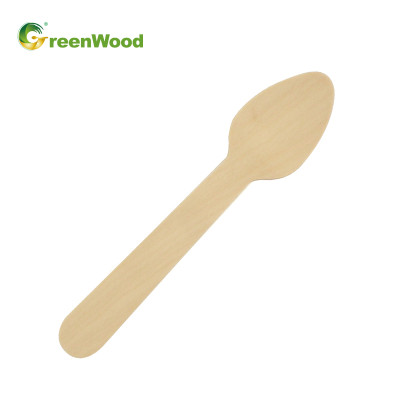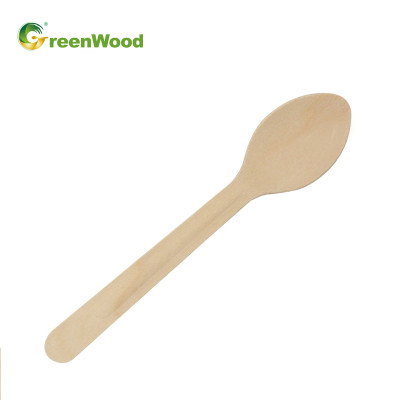
Texture & Mouthfeel: Designing the Sensory Experience of Wooden Cutlery
For a long time, disposable cutlery was evaluated almost exclusively on two criteria: strength and sustainability.
If it didn’t break—and if it was “eco-friendly”—that was considered enough.
But in 2026, that standard is quietly changing.
A new conversation is emerging among event planners, premium food brands, and conscious buyers:
Can the mouthfeel of wooden cutlery be designed?
At GreenWood, we believe the answer is yes.
Why Mouthfeel Matters More Than We Used to Think
Cutlery is one of the very few objects in a dining experience that touches both food and the human mouth.
Yet for years, the sensory interaction between wooden cutlery and the tongue was rarely discussed—perhaps because it felt too subjective, or too uncomfortable to quantify.
That silence is breaking.As disposable wooden cutlery enters more refined environments—weddings, curated events, boutique cafés, premium takeout—the sensory experience can no longer be ignored.
People notice:
Rough edges
Dry or fibrous tongue contact
Unpleasant friction with hot or oily foods
What was once tolerated is now questioned.
Micro-Sanding & Polishing: Small Differences, Big Impact
One of the most important variables in mouthfeel is surface finishing.
At a microscopic level, wooden cutlery can feel very different depending on:
Sanding grit sequence
Final polishing intensity
Whether the tongue-contact area is treated differently from the handle
A lightly micro-sanded surface can:
Reduce tongue friction
Eliminate the “raw wood” sensation
Feel smoother without appearing glossy or artificial
This is not about making wood feel like plastic.
It’s about making it feel intentional.
Pressed Grain & Texture: When Structure Meets Sensation
Wooden cutlery is formed under pressure—and that pressure leaves a signature.
The direction, depth, and density of pressed grain patterns influence:
How the utensil glides across the tongue
Whether food residue clings or releases
How the surface reacts to moisture and heat
In some cases, overly aggressive grain textures can amplify dryness.
In others, well-controlled compression can create a more neutral, balanced feel during use.
Texture is not decoration.
It is part of the eating experience.
Hot, Sweet, Oily: Different Foods, Different Interactions
Mouthfeel is not static—it changes with food type.
Through testing and feedback, we see clear differences in how wooden cutlery interacts with:
Hot foods (heat amplifies surface sensation)
Desserts (sweetness makes bitterness or dryness more noticeable)
Oily or creamy dishes (oil highlights texture inconsistencies)
Designing wooden cutlery without considering food context is no longer enough.
The question is no longer “Does it work?”
It is “How does it feel, with this food, in this moment?”
From Disposable to Deliberate
This shift does not mean wooden cutlery should imitate metal or plastic.
It means it should be designed with the same care—even if it is used only once.
At GreenWood, we see texture and mouthfeel as part of responsible design:
Respect for the user
Respect for the food
Respect for the moment of use
Disposable does not have to mean careless.
And sustainability does not have to come at the expense of comfort.
The Future of Wooden Cutlery Is Sensory
As sustainability matures, expectations rise.
The next generation of wooden cutlery will not be defined only by:
Certifications
Materials
Strength metrics
It will also be defined by how it feels.
Because in the end, the most honest feedback comes not from a checklist—but from the tongue.